
Blog
Farm-to-Table Dining in Daylesford
Explore Daylesford farm-to-table dining culture. Seasonal menus, Spade to Blade, local producers, wine regions, and food experiences.
There's a reason food lovers make regular pilgrimages to Daylesford. This small town in Victoria's Central Highlands has cultivated a dining scene that punches well above its weight, built on a simple but powerful philosophy: exceptional food starts with exceptional ingredients, grown by people who care about the land.
Why Daylesford Became a Food Destination
Several factors converged to create the perfect conditions for a thriving food culture. The region's volcanic soil is incredibly fertile, supporting everything from heritage vegetables to truffles. The cooler climate suits crops that struggle in warmer parts of Australia. And the community of passionate producers, chefs, and food artisans who call this region home have built something truly special.
The town's proximity to Melbourne—just 90 minutes away—means a steady stream of visitors who appreciate quality food. This economic viability has allowed small-scale producers to thrive.
Understanding Farm-to-Table
Farm-to-table is more than a marketing phrase. It represents a fundamentally different approach to food. Traditional supply chains are long and complex—produce might pass through multiple wholesalers and travel hundreds of kilometres. Farm-to-table collapses this chain. Ideally, produce is harvested in the morning and served that evening.
For diners, this means experiencing food at its absolute peak. A lettuce picked that morning tastes entirely different from one in cold storage for a week. The flavour is brighter, the texture crisper, the nutritional value higher.
Farm-to-table at Arinya Retreat
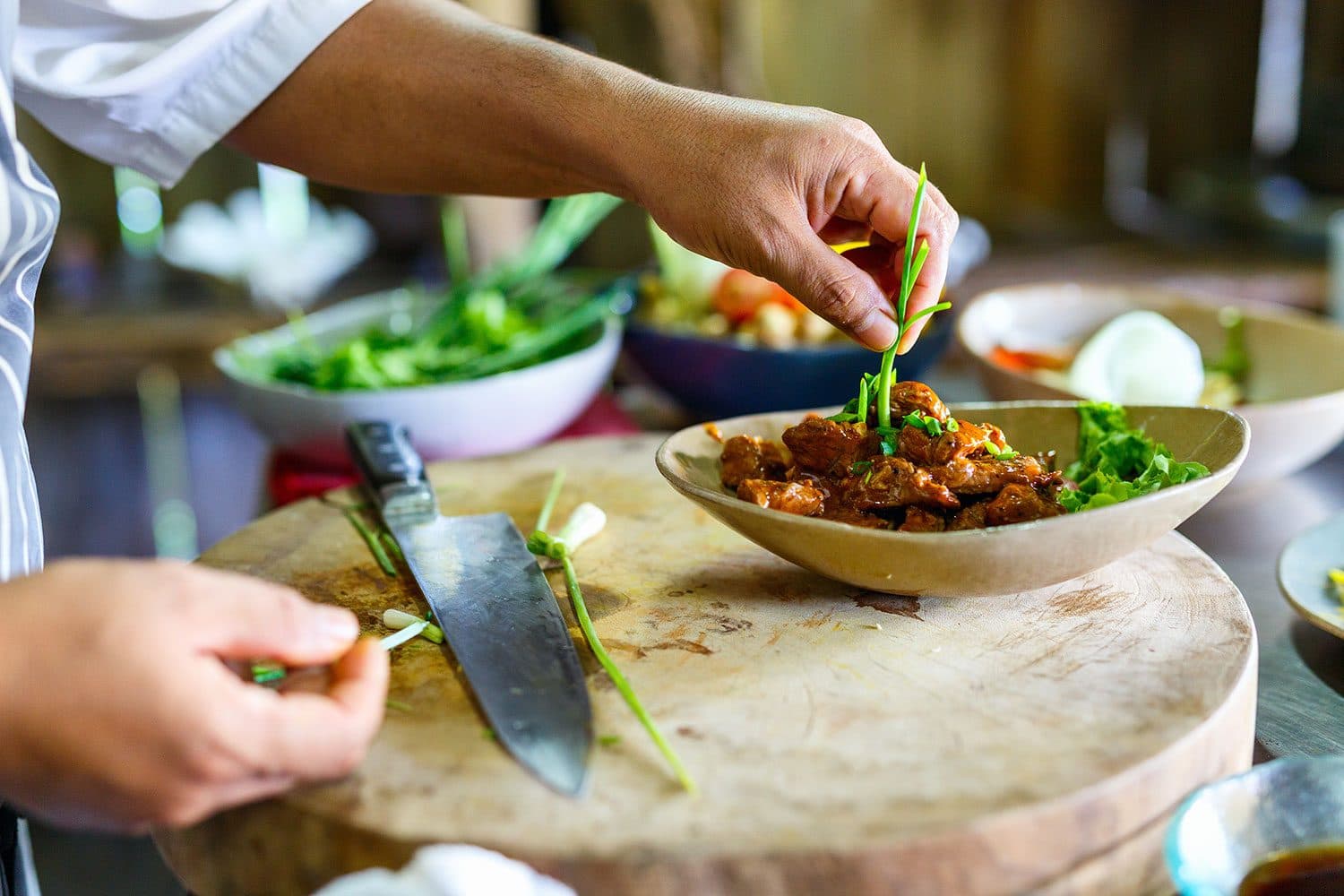
At Arinya Retreat, the farm-to-table philosophy finds expression through private dining, a farm-to-table experience that showcases the very best of regional produce.
The name captures the philosophy: from the spade that tends the garden to the blade that prepares the meal, every step is intentional. Sourcing from nearby farms and producers, this hyper-local approach means ingredients travel metres rather than kilometres.
The menu evolves constantly with the seasons. Spring brings tender peas, broad beans, and fresh herbs. Summer delivers abundant tomatoes, stone fruit, and berries. Autumn features root vegetables, mushrooms, and truffles. Winter showcases preserved foods and hearty greens.
The Farmers Market Experience
To understand Daylesford's food culture, visit the farmers market. You'll find organic vegetables still dusted with soil, heritage breed meats, artisan cheeses, sourdough bread, preserves, honey, and seasonal specialties.
What makes these markets special is the opportunity to meet the producers. You can ask farmers about their growing practices, get cooking tips from cheesemakers, and learn the stories behind the preserves.
Seasonal Dining Highlights
Spring
The land explodes with growth after winter. Menus celebrate with asparagus, peas, broad beans, fresh herbs, and spring lamb.
Summer
Abundance almost to the point of overwhelm. Tomatoes, berries, stone fruit, and long golden evenings perfect for outdoor dining.
Autumn
This is truffle season. The prized fungi appear on menus throughout the region. Root vegetables, pumpkins, and mushrooms define the plate.
Winter
Slow cooking transforms tough cuts into tender braises. Kale, cabbage, leeks, and stored crops form the foundation of hearty, warming dishes.
Wine Regions Nearby
Great food deserves great wine. The Macedon Ranges, immediately adjacent to Daylesford, is known for cool-climate wines—exceptional sparkling, elegant Pinot Noir, and crisp Chardonnay. Further afield, the Pyrenees produces robust reds, while Heathcote is celebrated for Shiraz.
Beyond wine, look for craft beers, heritage cider, and house-made kombuchas that showcase the same commitment to quality ingredients.
Supporting Local Producers
When you dine farm-to-table, you're participating in a local food economy that supports small-scale farmers. These relationships matter. Small farms can't compete with industrial agriculture on price, but they offer superior quality, diversity, and environmental stewardship.
Many Daylesford producers practise organic or biodynamic agriculture, prioritise animal welfare, and use regenerative practices that build soil health. By choosing restaurants committed to local sourcing, you vote with your dining dollars for the kind of agriculture you want to support.
Planning Your Culinary Visit
Book restaurants in advance, especially on weekends. Time your visit to seasonal highlights. Visit the farmers market. Explore beyond restaurants to discover cafes, bakeries, cheese makers, and specialty food shops.
For the ultimate immersion, consider a stay at Arinya Retreat, where farm-to-table dining is integrated into a broader wellness experience. When every meal showcases the region's best ingredients, eating becomes a form of nourishment that goes far beyond calories.
This is food as it should be: delicious, nourishing, and meaningful. It's worth the 90-minute drive from Melbourne.