
Blog
The Benefits of Massage Therapy: What to Expect at Your First Retreat
The science-backed benefits of massage therapy and what to expect at your first wellness retreat. Types of massage, preparation tips, and how retreat massage differs.
If you've never had a massage at a wellness retreat, the idea might feel both exciting and slightly daunting. What happens during a session? What should you wear? Will it hurt? These are all common questions, and understanding what to expect can help you relax before you even arrive.
Here's everything you need to know about the benefits of massage therapy and what your first retreat massage experience will look like.
The Science-Backed Benefits of Massage
Physical Benefits
Massage therapy isn't just about feeling good—it creates measurable physiological changes. Regular massage has been shown to reduce cortisol levels (your primary stress hormone) by up to 30%, while increasing serotonin and dopamine, the neurotransmitters associated with happiness and calm.
Physically, massage improves blood circulation, reduces muscle tension and pain, enhances flexibility, supports immune function, and improves sleep quality. For people with chronic conditions like back pain, headaches, or fibromyalgia, regular massage can be a genuine game-changer.
Mental and Emotional Benefits
The mental health benefits are equally compelling. Massage activates your parasympathetic nervous system—the "rest and digest" mode that modern life rarely allows. This deep nervous system reset reduces anxiety, improves focus, and creates a sense of emotional equilibrium that can last for days.
Many people report that massage helps process stored emotional tension. The body holds stress in physical patterns, and releasing these patterns can sometimes bring unexpected emotional relief alongside physical relaxation.
Types of Massage You Might Encounter
Swedish Massage
The most common type and an excellent choice for first-timers. Long, flowing strokes with light to medium pressure create relaxation without discomfort. Ideal for stress relief and general wellbeing.
Deep Tissue Massage
Uses firmer pressure and slower strokes to reach deeper muscle layers. Helpful for chronic pain and significant tension. While intense, it should never be painful—your therapist will adjust to your comfort level.
Remedial Massage
Targeted and therapeutic, addressing specific areas of pain or injury. Your therapist assesses your individual needs and applies focused techniques to support healing.
Aromatherapy Massage
Combines massage with essential oils chosen for their therapeutic properties. The multi-sensory experience deepens relaxation and can address specific wellness goals like stress relief, energy, or emotional balance.
What Happens During Your First Session
The Consultation
Your therapist will start by asking about areas of tension, any injuries or health conditions, and your pressure preferences. Be honest—this information helps them customise your treatment for maximum benefit.
Privacy and Comfort
You'll undress to your comfort level and lie under a sheet on the massage table. Professional draping techniques ensure you're always covered except for the area being worked on. You'll never feel exposed.
During the Massage
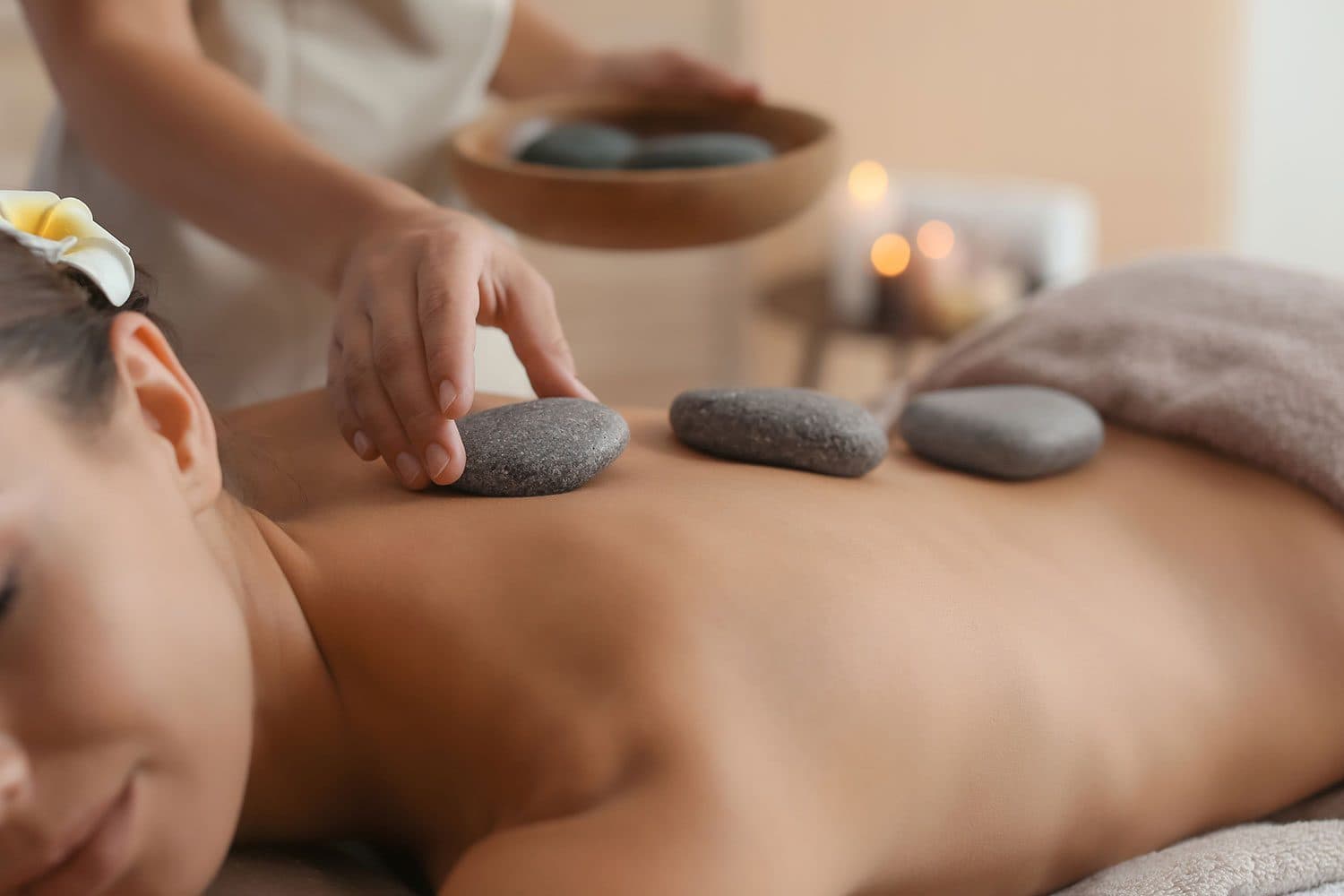
The room will be warm, softly lit, and peaceful. Your therapist works systematically, using varying techniques and pressures. It's completely fine to fall asleep—it's a sign of deep relaxation. You're also welcome to ask for pressure adjustments at any time.
After the Session
Take your time getting up. Drink water to support your body's recovery. Many people feel deeply relaxed or slightly dreamy afterward. Honour this by moving gently for the rest of the day.
How Retreat Massage Differs from City Day Spas
At a retreat day spa, the entire environment supports your relaxation. You're not rushing from work to your appointment or stepping back onto busy streets afterward. The natural surroundings, unhurried pace, and holistic approach amplify the therapeutic benefits.
At a wellness retreat, massage is part of a comprehensive approach to wellbeing that includes healthy meals, movement practices, rest, and connection with nature. This holistic framework multiplies the benefits of each individual element.
Tips for First-Timers
- Avoid heavy meals immediately before your session
- Arrive a few minutes early so you're not rushed
- Communicate openly with your therapist about pressure and comfort
- Focus on breathing naturally and deeply
- Let go of the need to make conversation—silence is welcome
- Stay hydrated afterward
- Allow yourself to rest post-massage rather than jumping into activity
Making Massage Part of Your Wellness Routine
While a single massage feels wonderful, regular sessions provide cumulative benefits. Think of massage not as an occasional luxury but as an important component of your health maintenance.
A retreat experience is the perfect introduction. In that supportive environment, you can fully experience the benefits and discover how massage fits into your broader approach to wellbeing. You'll return home knowing what works for your body and motivated to continue the practice.